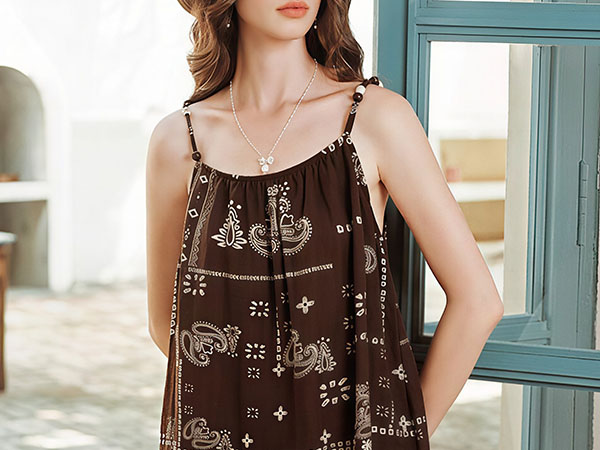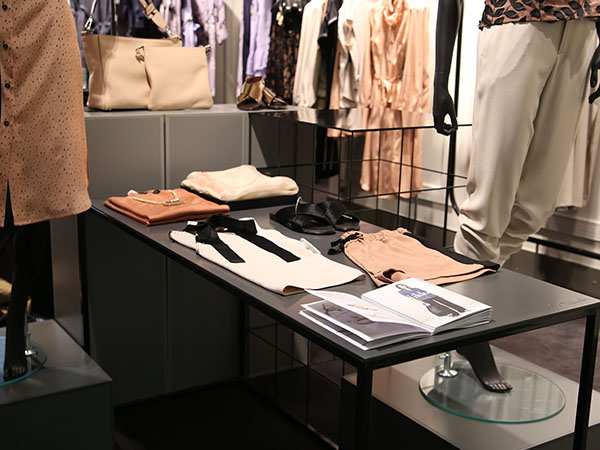
Women's wear is where apparel manufacturing gets personal. Unlike basic T-shirts or uniform-style garments, womenswear lives or dies by fit — how a waistband sits, how a sleeve rotates, how a fabric drapes over curves that are different on every body.
If you're launching a women's label, your factory's ability to handle three things will determine whether your customers keep or return your clothes:
- Drape — how the fabric falls and moves
- Fit — how the pattern accommodates real body shapes
- Details — the finishing touches that signal quality (or the lack of it)
This guide breaks down each one and shows you exactly what to specify, what to check during sampling, and what to ask your manufacturer.
1. Drape: The Foundation of Women's Wear
What Drape Means
Drape is how a fabric hangs under its own weight. A fabric with good drape flows, skims, and moves. A fabric with poor drape for your design will look stiff, bulky, or saggy in the wrong places.
Fabric Choices for Drape
| Fabric | Drape Level | Best For | Weight (GSM) |
|---|---|---|---|
| Viscose / Rayon (woven) | High | Dresses, blouses, wide-leg trousers | 120–180 |
| Acetate / Silk blend | Very high | Evening wear, fluid dresses, scarves | 100–160 |
| Tencel™ Lyocell | High | Resort wear, soft dresses, draped tops | 130–200 |
| Cotton poplin | Low–Medium | Structured shirts, crisp tops | 100–150 |
| Linen / linen blend | Medium (crisp) | Resort, summer separates | 140–220 |
| Wool blend (suiting) | Medium–High | Tailored jackets, trousers, skirts | 220–320 |
What to Tell Your Factory About Drape
Don't say "flowy." Say:
- "I want the skirt to fall vertically with minimal flare at the hem."
- "The bodice should skim, not cling — allow 2–3cm ease at the waist."
- "Sleeves should have soft gather at the cap, not a structured puff."
Then verify it on the proto sample by hanging it on a dress form and watching how it falls.
2. Fit: The Make-or-Break Factor
Women's Wear Fit Is Harder Than Men's — Here's Why
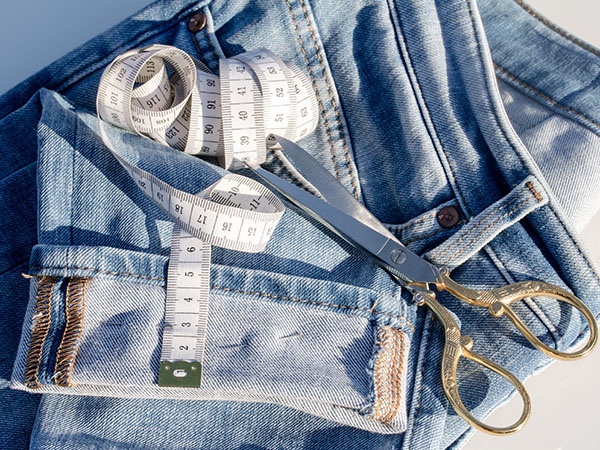
- More measurement points: Bust, underbust, waist, hip, rise, thigh — each affects the others.
- Greater body variation: Two women with the same dress size can have 10cm+ difference in hip-to-waist ratio.
- Less tolerance for error: A 1cm mistake at the bust point is visible. At the shoulder, it's not.
Key Fit Specifications to Include in Your Tech Pack
| Measurement Point | Why It Matters | Typical Tolerance |
|---|---|---|
| Across bust (flat) | Too tight = pulling at buttons; too loose = gaping | ±0.5 cm |
| Waist | Core fit point for dresses, trousers, skirts | ±0.5 cm |
| Hip (18cm below waist) | Crucial for pencil skirts, trousers, fitted dresses | ±1.0 cm |
| Shoulder slope | Wrong slope = sleeve pulls forward or armhole gapes | ±0.5 cm |
| Bodice length (shoulder to waist) | Too short = waist seam sits wrong; too long = blousing | ±0.5 cm |
| Sleeve opening | Too tight = can't bend elbow; too loose = sloppy | ±0.5 cm |
Grading: Don't Let Your Large Sizes Look Like Stretched Mediums
Many factories grade by simply adding the same amount to every point. That's wrong for womenswear. As sizes go up:
- Hip and bust need more grade than waist (the waist-to-hip ratio changes)
- Sleeve length needs more grade than armhole depth
- Skirt sweep needs to increase to maintain the same silhouette
Ask your factory: "Do you use standard grade rules, or do you custom-grade per style?" Custom grading costs slightly more but makes a visible difference in larger sizes.
3. Details: Where Quality Is Visible
The 7 Details Customers Notice
- Invisible zipper installation: Should disappear into the seam. Teeth shouldn't show. Topstitching should be straight and matched to fabric color.
- Lining: Should be the same length as the garment (or 1cm shorter). Quality linings use anti-static, smooth-hand fabrics (acetate, cupro, silk).
- Buttonholes: Should be straight, evenly spaced, and cut cleanly. Horizontal buttonholes on jackets (they hold better), vertical on shirts.
- Seam finishing: French seams or clean overlocking inside. Raw edges = cheap. If the inside looks messy, customers assume the outside will fail.
- Pressed finish: Seams should be sharp, hems even, collars symmetrical. Pressing is 30% of how "expensive" a garment looks.
- Label placement: Main label at center back neck, care label below it or at side seam. Both should not irritate the skin (folded edges or soft labels).
- Hem uniformity: Circumference should be even all the way around. Fold it up and check — uneven hems are the #1 quality complaint in womenswear returns.
What to Write in Your Tech Pack
Be specific. Instead of "clean finish," write:
- "All interior seams: overlocked with matching thread, 3-thread, 12–14 stitches per inch."
- "Lining attached at hem with blind stitch, 1cm invisible from exterior."
- "Zipper: invisible, YKK #3, color-matched to fabric, installed with 0.5cm seam allowance."
- "Pressing: steam press all seams open, 150°C max for viscose blends."
4. Construction Challenges Specific to Women's Wear
Darts
Darts shape the garment to the body. Common mistakes:
- Dart point too sharp (creates a "peak" visible on the outside)
- Dart not pressed toward the correct direction
- Dart length incorrect (bust dart should end 2–3cm before the apex)
Princess Seams
More elegant than darts but harder to sew straight. Specify: "Princess seam must follow the curve of the pattern exactly — no flattening at the waist."
Underwiring & Structured Cups (If Applicable)
If your designs include built-in support, you need a factory with experience in structured lingerie or swimwear construction. This is a specialized skill — not every womenswear factory can do it.
Lining in Fitted Garments
Lining changes how a garment fits. A dress that fits perfectly unlined may feel tight when lined. Always sample with lining if the bulk will be lined.
5. Common Mistakes in Women's Wear Production
- Sampling in a different fabric weight. A proto in 120gsm fabric will fit differently than bulk in 180gsm. Use the correct weight from the start.
- Ignoring shrinkage. Viscose can shrink 3–5% on first wash. If the factory doesn't pre-shrink or add ease, your size M becomes a small M after washing.
- Skipping the size set. If you produce XS–XL, you need to see at least XS, M, and XL on a body. Grading errors show up at the extremes first.
- Not specifying pressing standards. A well-pressed garment photographs better, fits better, and feels more expensive. Write it into your QC checklist.
How We Handle Women's Wear
At SESIY, womenswear is our core category. Here's what we offer:
- Pattern makers specializing in women's blocks — we understand bust, waist, and hip shaping
- Drape consultation — we'll recommend fabric weights and blends that achieve your intended silhouette
- Custom grading rules — not one-size-fits-all grade tables
- Detail-focused QC — every garment checked for seam finishing, pressing, and hem uniformity
- Lining and structure expertise — from simple partial lining to fully structured garments
Planning Your Women's Wear Collection?
Send us your designs — sketches, tech packs, or just fabric swatches and references. We'll tell you what's possible, what it will cost, and how to get the fit right.